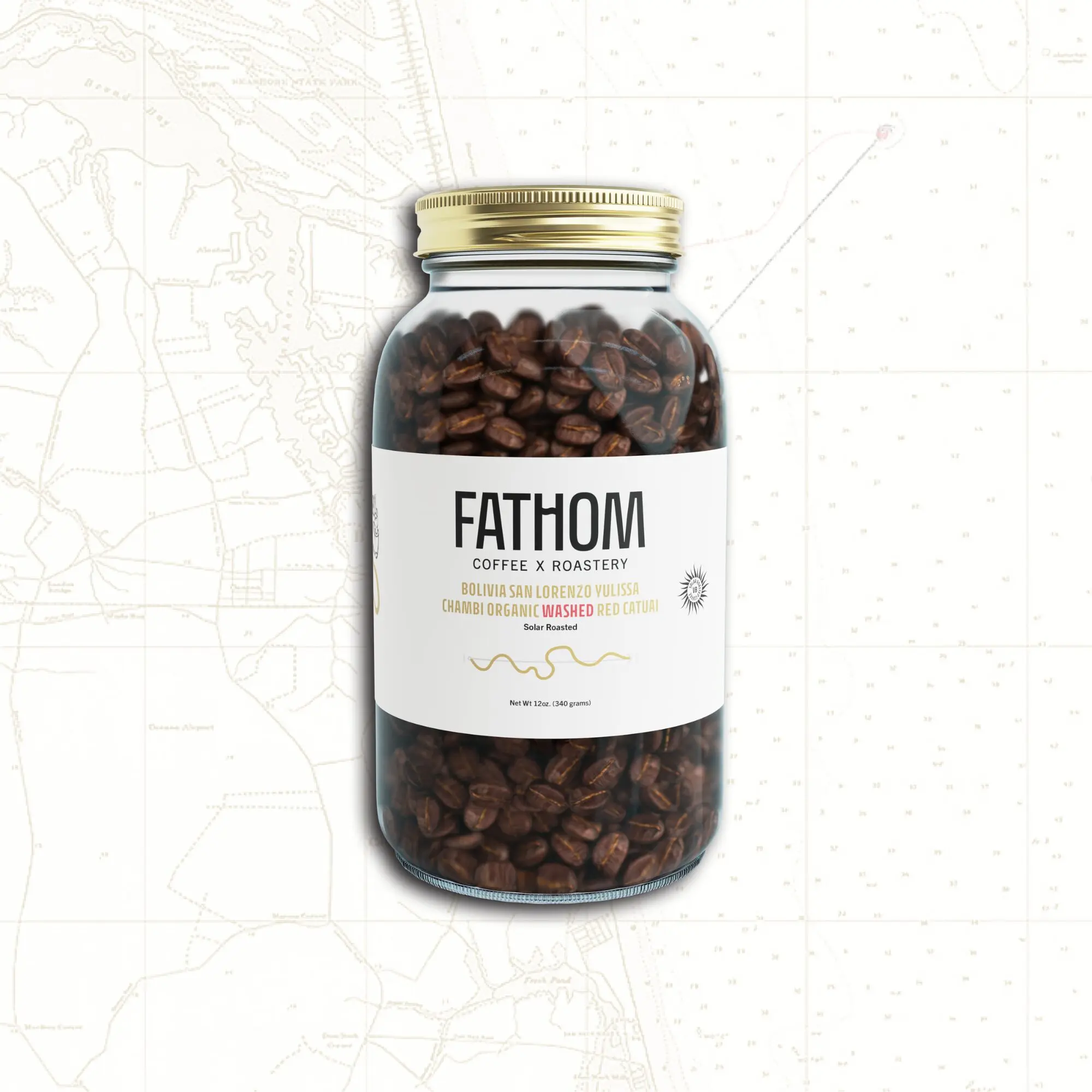
Tanzania Mbozi Ilomba AA
Washed AA from the Ilomba cooperative in Tanzania's Mbozi highlands, grown by smallholders at up to 1,900 meters. Malty brown-sugar sweetness meets grapefruit, peach, and lemon, with a clean, tea-like finish. Medium body, bright acidity.
$25.00
Description
In the narrow valleys of Tanzania's Mbozi District, where high mountains shelter slopes of fertile volcanic soil, smallholder farmers tend coffee at the edge of the country's southern highlands. This AA-grade lot from the Ilomba cooperative is the work of growers who often farm less than two hectares each, near the town of Iluya in Songwe Region.
OriginTanzania RegionMbozi District, Songwe Elevation1,700 to 1,900 meters ProcessWashed VarietyBourbon, Kent, Typica The SourceThe Ilomba Cooperative
The Ilomba cooperative began as a farmer group in the 1990s and gained official cooperative status in 2006, with support that helped its members pool resources and reach specialty buyers. Most members manage small plots scattered across the Mbozi highlands, frequently interplanting coffee with maize, beans, and other crops to make the most of their land. Coffee accounts for the majority of this district's local economy, and roughly ninety percent of Tanzania's coffee comes from smallholders like these.
Mbozi sits in the southwestern reaches of Tanzania's coffee country, a landscape of fertile soil and dependable rainfall where the cherries ripen slowly. Those higher elevations matter. Cooler air at altitude slows maturation and concentrates sugars in the fruit, which builds the clarity and structure that earn a coffee its AA grade. You can read more about why elevation shapes the cup in our guide to high-altitude coffee. AA itself refers to bean size, screen 17/18, the largest classification in the East African system and one that often tracks with the conditions found on these slopes.
The CraftWashed at the Cooperative's Factory
Ilomba founded its own washing station around 2007, and the cooperative processes only the lots where its members see real cup quality. Each batch starts with flotation sorting, where ripe cherries sink and underripe or damaged fruit floats off to be removed. A water-conserving eco-pulper then strips the outer skin, a practical nod to the dry seasons these farms work through. The coffee ferments for one to two days to break down the sticky mucilage, gets washed clean in grading channels, and finishes on raised beds over about two weeks of careful drying. To see how this fully washed approach differs from other methods, read our overview of natural and washed processing.
We roast this Tanzanian lot to City+, a level that holds onto the coffee's malty sweetness and citrus brightness while developing enough sugar to round out the finish. The washed process and the disciplined drying give us a clean, transparent canvas, and we keep the roast light enough to let the cooperative's work speak for itself.
Grapefruit Peach Brown Sugar Lemon BodyMedium AcidityBright The CupMalt, Citrus, and a Tea-Like Finish
The cup opens with a malty sweetness, something close to brown ale, lifted by vibrant citrus. As it cools, the larger AA beans reveal more layers: baking spice on the nose, a soft praline note, and the suggestion of ripe peach behind the brighter lemon and grapefruit.
The finish leans pleasantly bittersweet, grapefruit pith and fine tea rather than anything heavy. It is a clean, layered profile that shows why Tanzanian coffee deserves a closer look, with the structure to hold up whether you drink it hot or let the glass settle.
Find Your FixThe clarity here rewards pour-over. A Chemex or V60 frames the citrus and malt with real definition, while a Beehouse or batch Drip keeps the body intact for everyday cups. Aeropress tightens the acidity for a brighter shot, and Cold Brew draws out the brown sugar sweetness. Browse the full lineup of coffee beans and find your fix.
Roasted in small batches at our Virginia Beach roastery.
Packaged in reusable glass mason jars, returned locally for reuse. Solar-roasted.
Virginia Beach, VACustomer Reviews
Reviews loading...