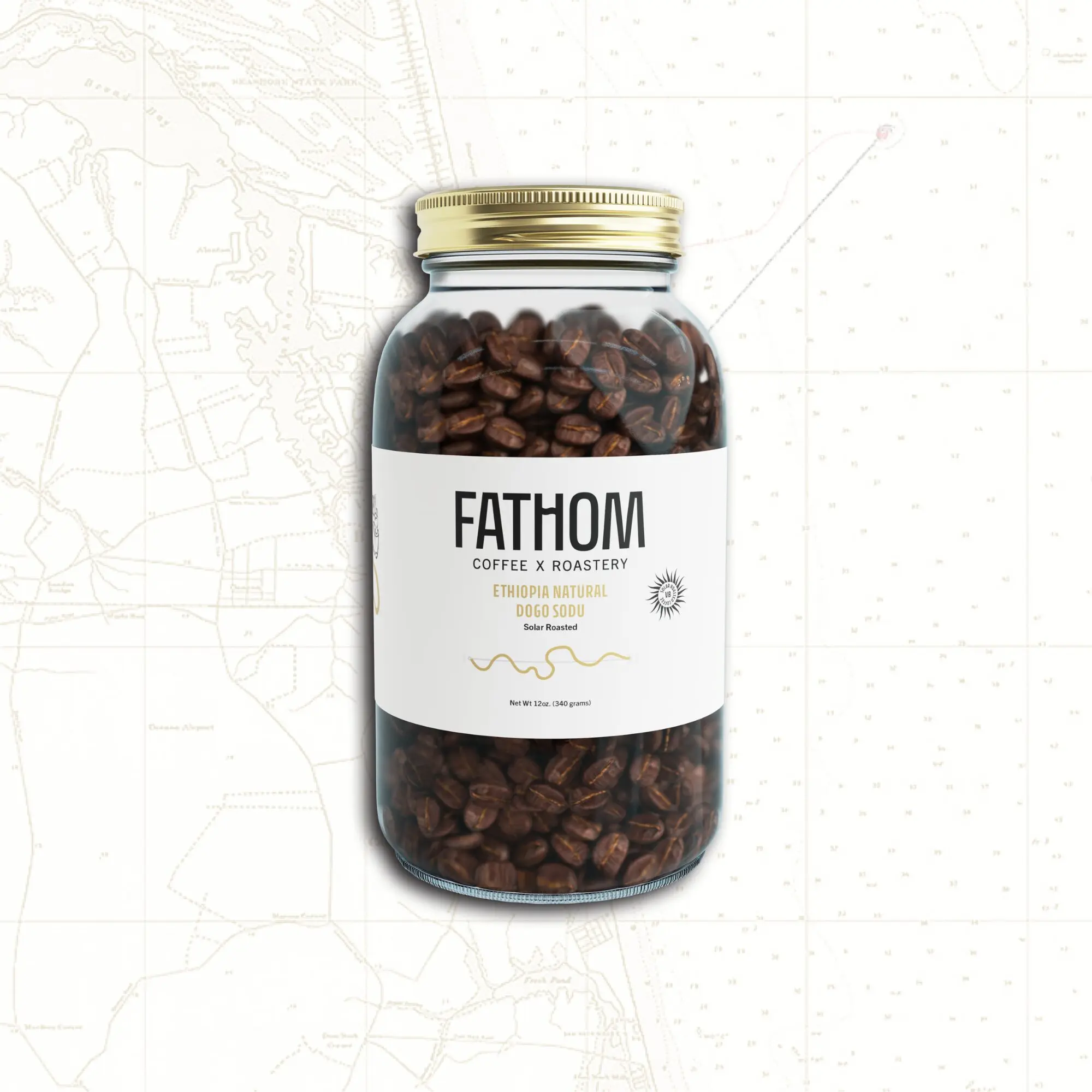
Ethiopia Natural Process Dogo Sodu
Naturally processed at up to 2,200 meters in the Guji highlands, this Ethiopian heirloom lot bursts with raspberry and strawberry, layered with Earl Grey tea and baking spice. Bright, syrupy, and clean, it unfolds in the cup as it cools.
$30.00
Description
Coffee was born in the forests of southern Ethiopia, and the Guji highlands still grow some of the most expressive cups the country produces. Near the village of Dogo Sodu, more than two hundred smallholders deliver ripe cherry to a single mill perched at the edge of the clouds. This is naturally processed coffee at its most vivid.
OriginEthiopia RegionGuji Zone, Dogo Sodu ElevationUp to 2,200m ProcessNatural VarietyEthiopian Heirloom The SourceThe Guji Highlands
Guji sits in southern Ethiopia, a zone once folded into the broader Sidama region and now recognized on its own for cups that run bright, floral, and deeply fruited. The growing happens high. Farms around Dogo Sodu climb toward 2,200 meters, where cool nights slow the cherry as it ripens and concentrate the sugars that give these coffees their nectar-like sweetness. The volcanic soils and steady mountain shade do the rest. You can read more about why these conditions matter on our altitude page.
The mill at Dogo Sodu gathers cherry from more than two hundred farming families, most of them tending plots smaller than two hectares. These are landrace heirloom plants, descendants of the wild coffee that has grown in these forests for centuries, often intercropped with food crops on the same hillside. Only the ripest, deepest-red cherries make the trip to the washing station, and that selectivity at harvest is the quiet foundation of everything that follows in the cup.
The CraftNatural Processing on Raised Beds
At the mill, incoming cherry is floated in water so the underripe and damaged fruit can be skimmed away before drying ever begins. What remains is moved whole onto raised drying beds, where it rests for three to four weeks under the highland sun. Workers turn the cherry by hand through the day to keep airflow even and prevent any spot from over-fermenting. Drying the fruit intact, rather than washing the bean clean first, lets the sugars in the cherry migrate inward, which is what gives natural Guji its berry intensity and weight. The difference between this and the washed method is worth understanding, and we walk through it on our processing methods page.
We roast this coffee to City+ at our solar-powered Virginia Beach roastery, a level that keeps the lively fruit and floral aromatics intact while building just enough sweetness and structure underneath. Push it darker and the delicate top notes collapse. Held here, the raspberry and tea character stays vivid in the cup.
Raspberry Strawberry Earl Grey Baking Spice BodyMedium-Full AcidityBright The CupA Cup That Unfolds As It Cools
The first sip opens with intense berry brightness, fresh red raspberry and ripe strawberry, edged with tropical sweetness that leans toward mango and papaya. As the cup cools, the layers separate and deepen. Delicate Earl Grey tea and warming baking spice move forward, with a faint aromatic herbal lift in the background.
The finish carries the fruit into something closer to berry preserves, concentrated and clean, with the syrupy body holding everything in balance. It is a coffee that rewards slowing down and tasting it across the whole temperature range.
Find Your FixThis Guji shines through paper. A Chemex or V60 keeps the fruit clear and the finish crisp, while a Beehouse or simple drip brings out more of its syrupy weight. Aeropress concentrates the berry character if you like an intense cup, and it makes a striking cold brew. Browse the full lineup of coffee beans and find your fix.
Roasted in small batches at our Virginia Beach roastery.
Packaged in reusable glass mason jars, returned locally for reuse. Solar-roasted.
Virginia Beach, VACustomer Reviews
Reviews loading...