All About Nano Roasters: Why Small Batch Coffee Is Best
Your journey to exceptional coffee leads through the smallest batches. While commercial roasters process millions of pounds with massive machinery, nano roasters like Fathom take a different path—one where every batch gets individual attention, every origin gets its own profile, and freshness isn't a marketing claim but a daily practice.
Small batch roasting isn't just about quantity. It's a philosophy: quality over volume, craft over convenience, and flavor over efficiency. Here's why that matters for your morning cup.
On Deck (Table of Contents)
- What Is Nano-Roasted Coffee?
- Small Batch vs. Commercial Roasting
- Why Small Batch Coffee Tastes Better
- Frequently Asked Questions
- Small Batch Coffee at Fathom
What Is Nano-Roasted Coffee?
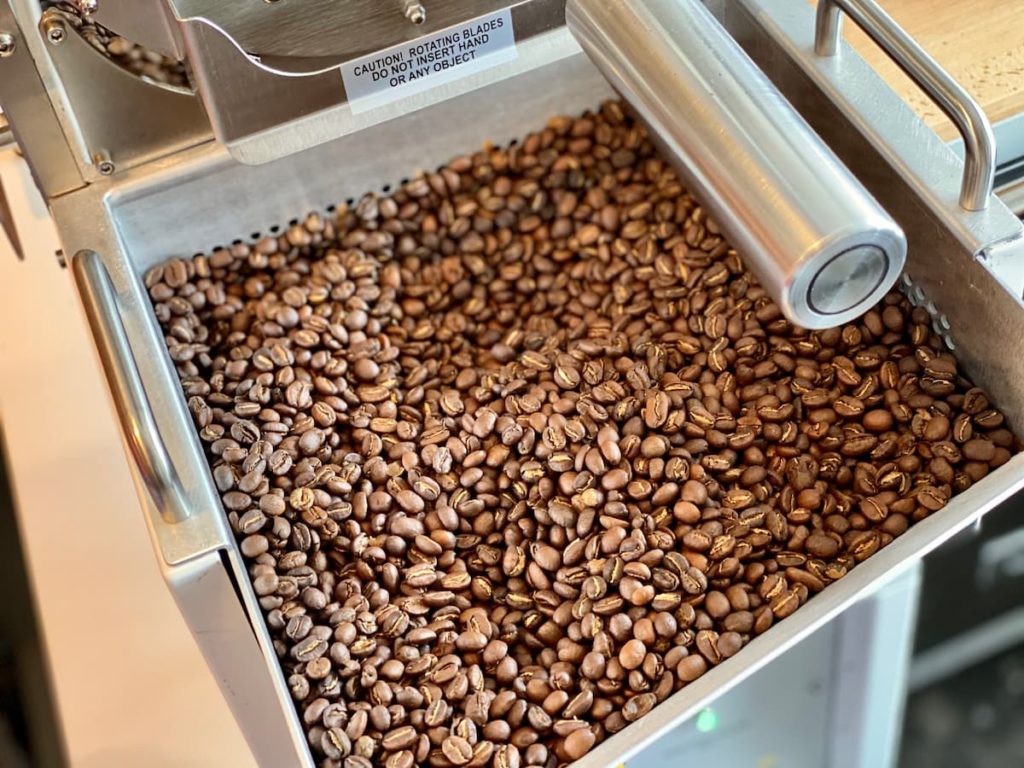
Let's define the terms:
Micro-roasting: According to Roast Magazine, micro roasters produce less than 100,000 pounds of coffee annually. That's still substantial—but far more focused than commercial operations.
Nano-roasting: Takes small-batch further. A "nano-lot" refers to coffee from a single, specific plot of land—traceable, limited-quantity, and scored 80+ by certified Q graders. Coffees scoring 80 or above earn "specialty" designation from the Specialty Coffee Association.
At Fathom, we roast as small as two kilograms at a time. That's about 4.4 pounds—enough control to perfect each origin's unique profile.
Small Batch vs. Commercial Roasting
Factor Commercial Roasting Nano Roasting (Fathom) Batch size Hundreds to thousands of pounds 2-5 kilograms Freshness Months from roast to shelf Days from roast to door Quality control Automated, sampling-based Hand-sorted, every batch monitored Roast profiles One-size-fits-all Origin-specific development Traceability Often blended, generic sourcing Single-origin, traceable lotsConsider the scale difference: Starbucks purchases 800 million pounds of coffee annually—5% of the world's supply. At that volume, individual batch attention is impossible. Every compromise in quality gets multiplied by millions of cups.
Why Small Batch Coffee Tastes Better
1. Uncompromising Quality Control
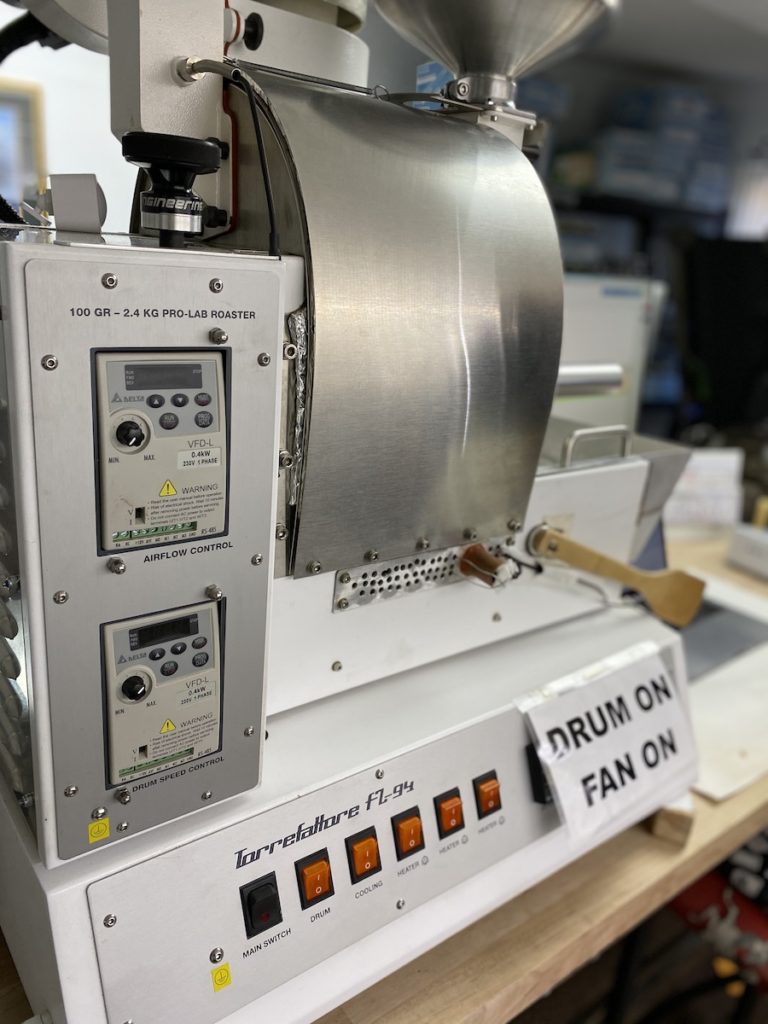
Nano roasters can monitor every variable: temperature curves, color development, first crack timing, cooling speed. We hand-sort beans before roasting, selecting only those uniform in size, shape, and color for even extraction.
At Fathom, we package in transparent glass jars precisely so you can see what you're getting. We never mix premium beans with subpar ones—a single bad bean can compromise an entire batch. If we find quality issues from a producer, we don't order from them again.
2. Maximum Freshness
Commercial coffee can sit for months between roasting and consumption. Large operations roast massive batches, warehouse them, distribute to retailers, and wait for purchase. By the time you drink it, those beans might be months past peak freshness.
Small batch roasters often don't start roasting until you order. We ship within days of roasting, vacuum-sealed to preserve freshness. When that jar opens—whether it's a week or six months later—it tastes as fresh as roast day.
3. Origin-Specific Roasting
Ethiopian Yirgacheffe needs different treatment than Brazilian Cerrado. Small batch roasting allows us to develop individual profiles for each origin—adjusting time, temperature, and development to maximize what makes each coffee special.
Commercial roasters can't afford this attention. They need consistent, replicable results across massive volumes. That means compromising on individual coffees to achieve baseline consistency.
4. Diverse Selection
Nano roasters can experiment with small lots from specialty producers. We keep 20+ single-origin coffees available—from Yemen to Hawaii to Ethiopia. That variety would be economically impossible at commercial scale.
Want to explore a rare Gesha? A natural-processed Guji? A limited micro-lot? Small batch roasters are your gateway to coffees that never make it to grocery shelves.
5. Craft Over Efficiency
When every batch matters, you naturally take greater care. Nano roasters develop personal relationships with their coffees—learning each origin's quirks, perfecting profiles over time, and treating every roast as an opportunity to improve.
This isn't just philosophy. It shows up in your cup as clarity, complexity, and character that mass-produced coffee simply can't match.
Frequently Asked Questions
What makes small batch coffee different from regular coffee?
Small batch coffee is roasted in limited quantities (often 2-10 pounds), allowing for precise quality control, origin-specific roast profiles, and rapid delivery from roast to customer. Commercial coffee is roasted in huge batches, stored in warehouses, and may be months old when purchased.
Is nano-roasted coffee worth the higher price?
If flavor matters to you, yes. The price difference reflects higher-quality sourcing (specialty-grade beans only), intensive quality control, and the freshness of roasting to order rather than warehousing. You're paying for a fundamentally different product.
How can I tell if my coffee is truly small batch?
Look for: roast dates (not just "best by"), single-origin offerings, transparent sourcing information, and packaging that indicates freshness (degassing valves or vacuum sealing). If a company can't tell you when your coffee was roasted, it's probably not small batch.
What roast level do small batch roasters use?
Most specialty small-batch roasters favor light to medium roasts (City to City+) that preserve origin character. At Fathom, we roast City+ to balance development and origin expression. Dark roasting masks the very qualities that make specialty coffee worth the investment.
Find Your Fix: Small Batch Coffee at Fathom
We roast in batches as small as two kilograms—enough to perfect each origin's unique profile without compromise. Every bag ships within days of roasting, vacuum-sealed in reusable Mason jars that keep your coffee fresh until the moment you open it.
Visit our Virginia Beach shop to experience small batch coffee firsthand, or browse our full selection online. From Ethiopian florals to Brazilian chocolates, we have a coffee for almost every letter of the alphabet.
Your journey to exceptional coffee starts with knowing how it's roasted. Find your fix.
SHOP SMALL BATCH COFFEE