20 Different Types of Coffee Drinks Explained
Your journey through the coffee menu doesn't have to feel like navigating foreign waters. Whether you're stuck ordering the same safe choices or ready to explore beyond your comfort zone, understanding the different types of coffee drinks opens up a world of flavor possibilities.
From the simplicity of black coffee to the indulgence of an affogato, each drink has its place and purpose. Chart your course through this guide and discover your new favorites—or finally understand what you've been ordering all along.
20 Types of Coffee Drinks Explained
1. Black Coffee
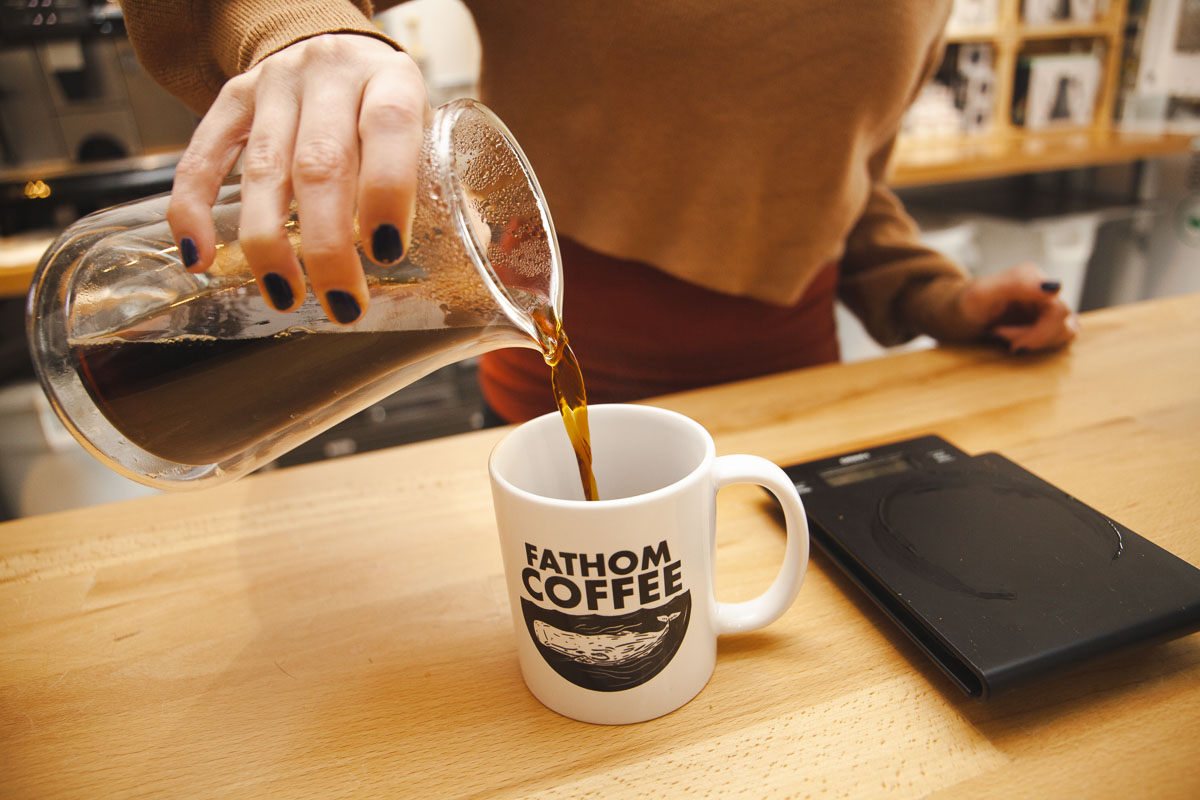
The purest form: ground coffee steeped in hot water, nothing added. Also known as "café noir," black coffee lets bean quality shine through without any masking.
There are several ways to make black coffee. Pour-over methods like Chemex produce the cleanest, most balanced cups. Traditional drip machines brew larger batches efficiently, though freshness varies.
At Fathom: We recommend pour-over for our single-origin coffees—it showcases the origin character we work hard to preserve.
2. Espresso
The foundation of most café drinks. Espresso is one ounce of highly concentrated coffee, extracted under pressure from finely ground beans. Order it solo for intense, bold flavor, or use it as the base for dozens of variations.
Doppio: A double espresso (two shots)
Ristretto: A shorter, more concentrated pull with half the water—sweeter and less bitter
3. Americano
Espresso diluted with hot water. The result resembles drip coffee but with the distinct character of espresso extraction. Order it hot or iced.
Origin story: Supposedly invented during WWII when American soldiers added water to espresso to match the coffee strength they knew from home.
4. Cold Brew
Cold brew steeps coarse coffee grounds in cold water for 12-24 hours. The result: naturally sweet, low-acid concentrate that you dilute with water or milk.
Why it's different: Cold extraction pulls different compounds than hot brewing—less acidity, more sweetness, and a smoother finish. Our Brazil Cerrado makes exceptional cold brew.
5. Nitro Cold Brew
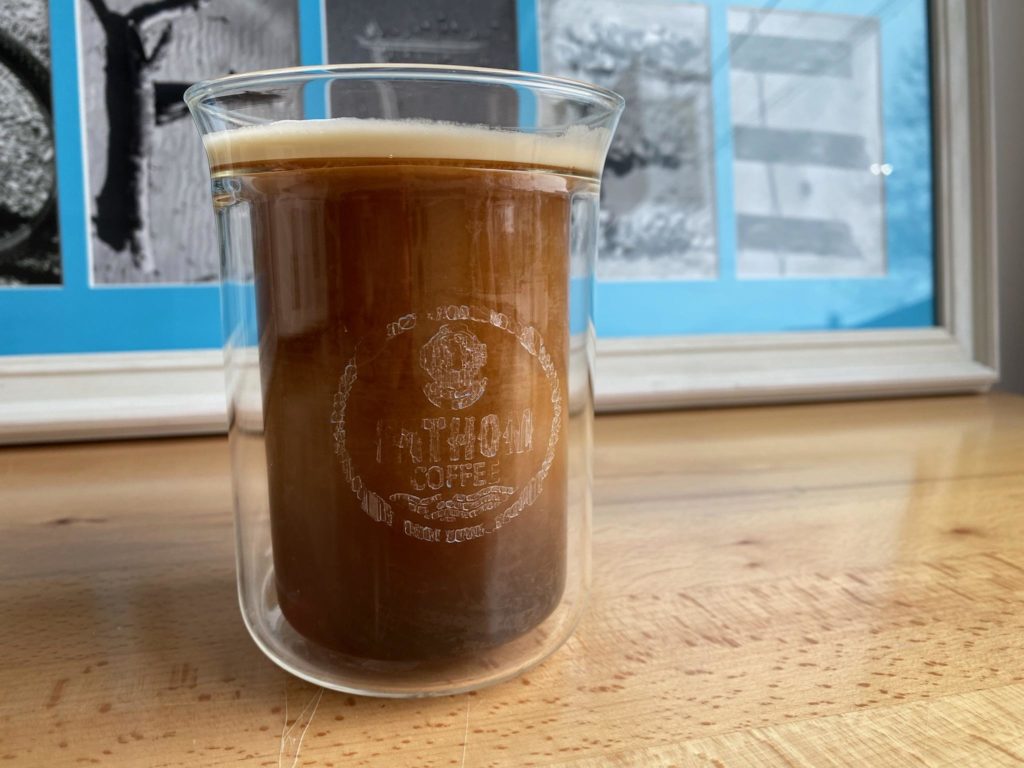
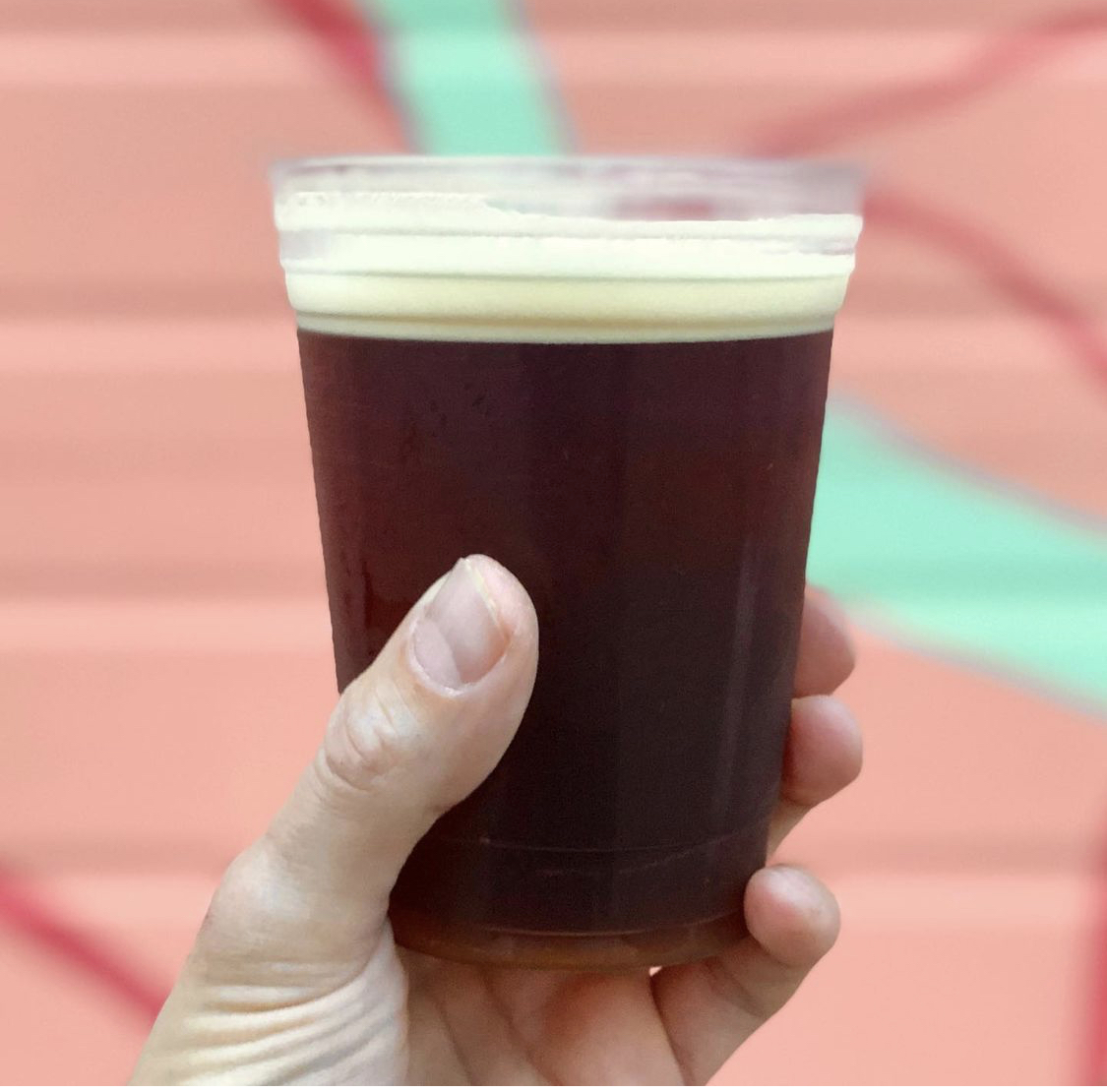
Nitro cold brew infuses cold brew concentrate with nitrogen gas, served on tap like beer. The nitrogen creates a creamy, cascading texture and natural sweetness—no dairy needed.
Pro tip: Skip the ice. The nitrogen keeps it cold.
6. Iced Coffee
Hot-brewed coffee chilled and served over ice. Simpler and faster than cold brew, but more acidic. Best when brewed double-strength to account for ice dilution.
Learn the full breakdown: Cold Brew vs. Iced Coffee
7. Latte
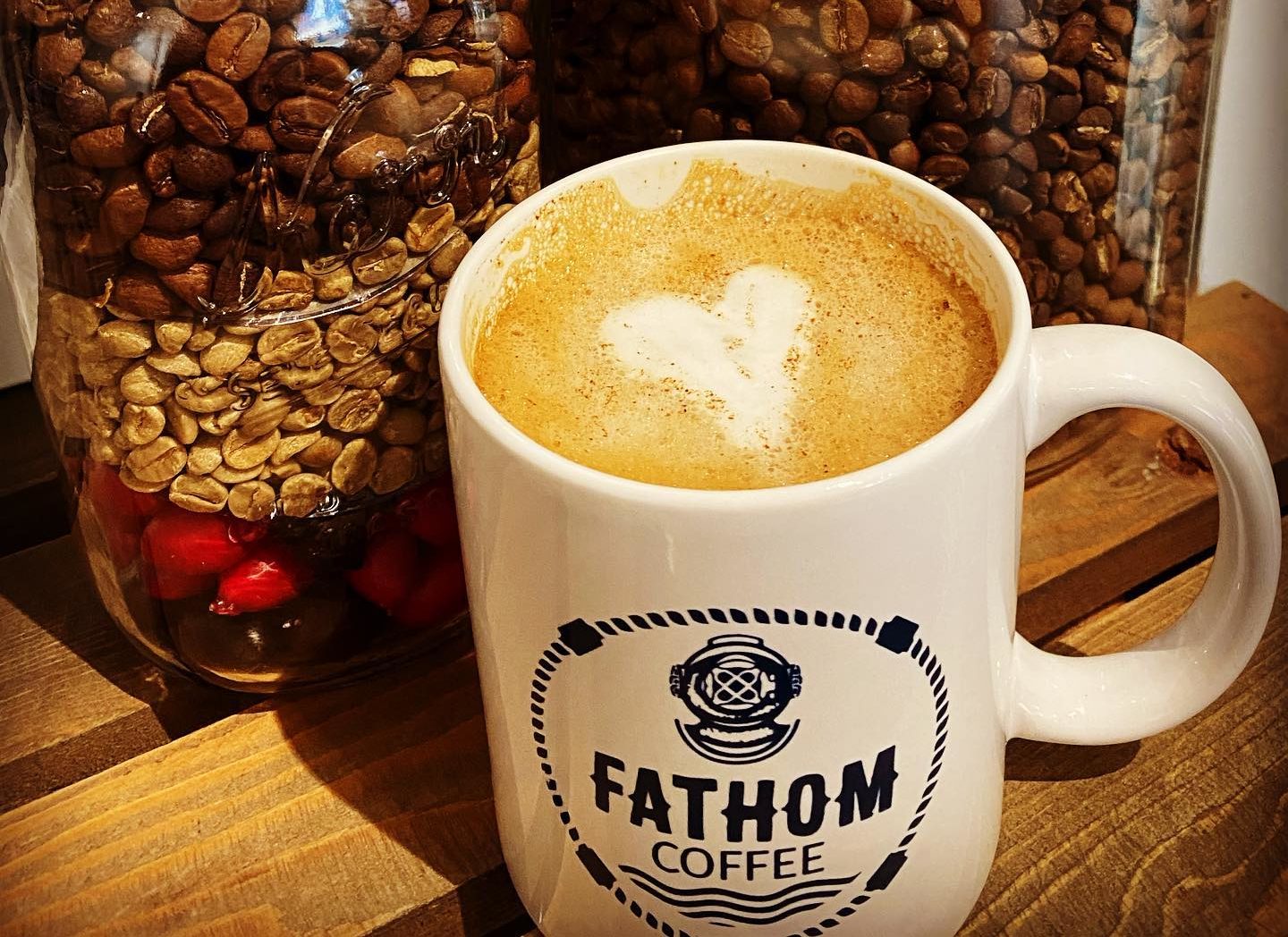
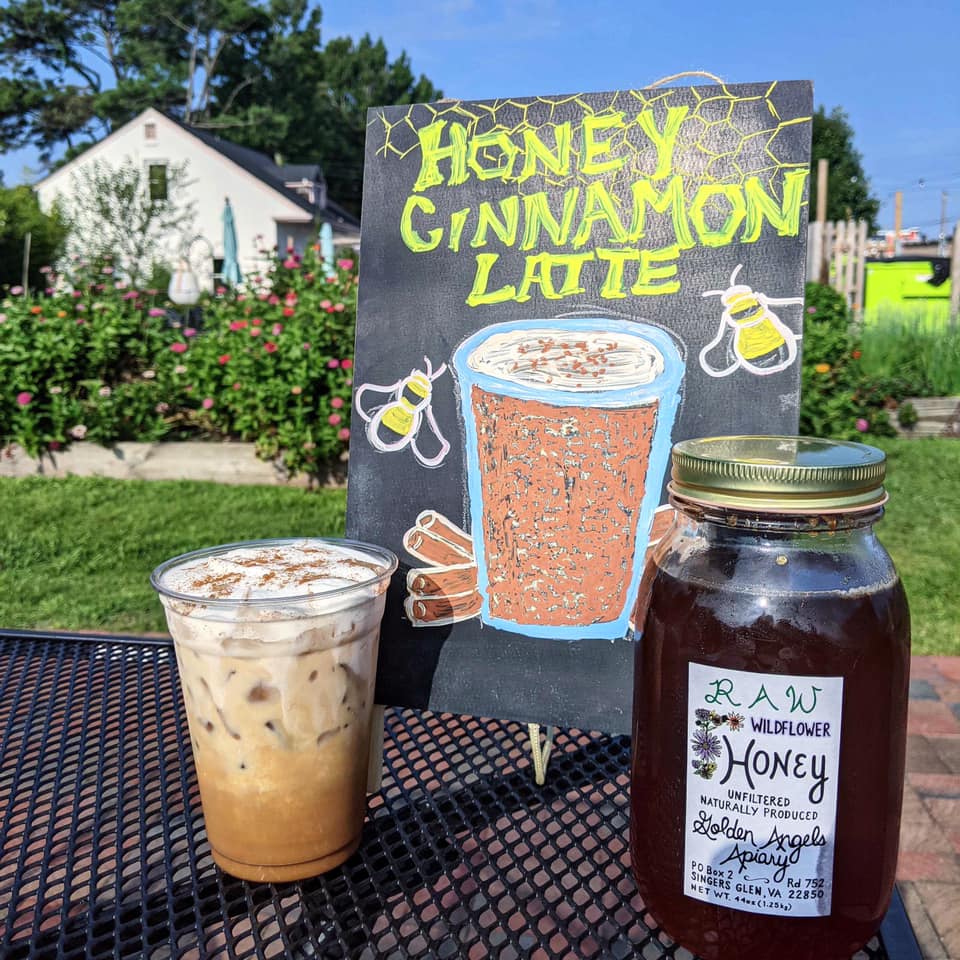
The most popular espresso drink: 1-2 shots of espresso with 8+ ounces of steamed milk and a thin layer of microfoam. Mild, slightly sweet, and endlessly customizable with flavor syrups.
Ratio: About 1 part espresso to 4-6 parts steamed milk
8. Cappuccino
The Italian classic: equal parts espresso, steamed milk, and foam (1:1:1 ratio). More intense than a latte, with a thick foam cap that insulates the drink and provides textural contrast.
Traditional vs. modern: Italian cappuccinos are smaller (5-6 oz); American versions often use more milk.
9. Flat White
The Australian/New Zealand answer to the cappuccino: espresso with steamed milk and minimal microfoam. Higher coffee-to-milk ratio than a latte, stronger flavor, and that signature "flat" surface perfect for latte art.
10. Cortado
Spanish-origin drink meaning "cut"—espresso "cut" with an equal amount of warm milk. The milk softens acidity without overwhelming espresso flavor. Perfect for those who want the middle ground between black espresso and milky lattes.
Ratio: 1:1 espresso to milk
11. Breve
An American twist: espresso with steamed half-and-half instead of milk. Richer, creamier, and more indulgent than standard milk-based drinks.
12. Macchiato
"Macchiato" means "marked" or "stained" in Italian. A traditional macchiato is espresso "marked" with just a dollop of foamed milk—essentially espresso with a hint of dairy.
Warning: Chain coffee shop "macchiatos" are often closer to sweetened lattes. If you want the real thing, specify "traditional" or "espresso macchiato."
13. Café au Lait
French for "coffee with milk"—brewed coffee (not espresso) combined with scalded milk in a 1:1 ratio. Richer and more flavorful than coffee with cold milk added.
14. Red Eye
Black coffee with a shot of espresso added. For mornings when regular coffee won't cut it. Also called a "shot in the dark."
15. Black Eye
Two espresso shots in your black coffee. The strongest standard menu item at most shops. Approach with caution—or enthusiasm.
16. Mocha
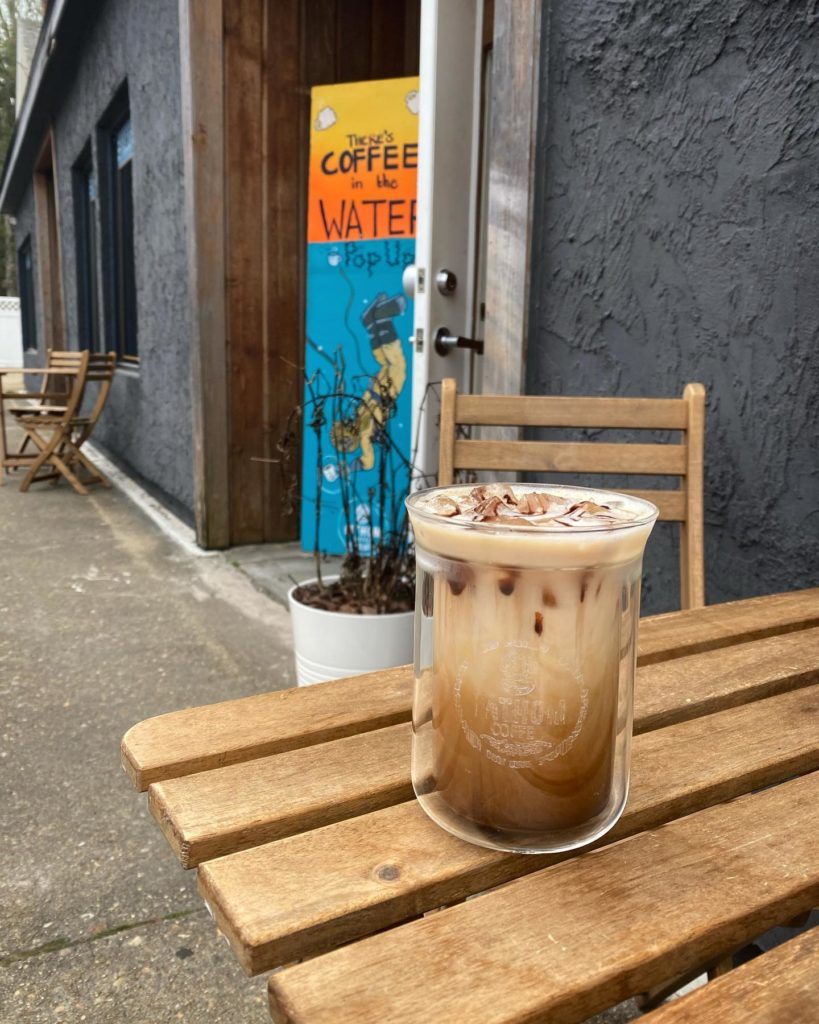
A chocolate latte: espresso, steamed milk, and chocolate (syrup or cocoa powder). Topped with foam or whipped cream. The gateway drink for those who think they don't like coffee.
Seasonal variations: Peppermint mocha, white chocolate mocha, salted caramel mocha
17. Affogato
Dessert meets coffee: a shot of hot espresso poured over vanilla gelato or ice cream. The espresso melts the ice cream into a rich, creamy, bittersweet indulgence. Best enjoyed immediately.
18. Irish Coffee
Black coffee, Irish whiskey, sugar, and cream. A cocktail masquerading as coffee (or vice versa). Best made at home or at restaurants with proper bar service.
19. Turkish Coffee
One of the oldest preparation methods: very finely ground coffee boiled in water (often with sugar), served unfiltered. The grounds settle to the bottom of your cup—don't drink the last sip. Rich, strong, and highly caffeinated.
20. Pour Over
Manual brewing method where hot water is poured over coffee grounds in a controlled, circular motion. Methods like Chemex and V60 produce clean, nuanced cups that highlight origin character—our favorite way to experience specialty coffee.
Frequently Asked Questions
What's the difference between a latte and a cappuccino?
Milk ratio and texture. Lattes have more steamed milk and minimal foam (smooth, mild). Cappuccinos have equal parts espresso, steamed milk, and foam (stronger, frothier). Same ingredients, different proportions.
Which coffee drink has the most caffeine?
The black eye (two espresso shots added to black coffee) packs the biggest punch. Cold brew concentrate is also highly caffeinated before dilution. Drink sizes matter too—a large drip coffee may have more total caffeine than a small espresso drink.
What should I order if I don't like bitter coffee?
Start with a latte or mocha—milk and sweetness balance bitterness. Or try cold brew, which is naturally smoother and less acidic. Better yet, try fresh-roasted specialty coffee brewed properly—bitterness often comes from stale beans or over-extraction, not coffee itself.
What's the best coffee drink for beginners?
Lattes are approachable: mild, slightly sweet, customizable with flavors. Mochas add chocolate for those who need a bridge to coffee flavor. For black coffee, start with a pour-over using medium-light roasted beans—it's smooth, sweet, and nothing like diner coffee.
Find Your Fix at Fathom Coffee
Ready to explore beyond your usual order? Visit our Virginia Beach shop to try any drink on this list crafted with our small-batch roasted beans. Not local? Browse our single-origin collection online and craft exceptional drinks at home.
Your journey through coffee's possibilities starts with the next cup. Find your fix.
SHOP FRESH-ROASTED COFFEE